What to Expect During a Full Mouth Implant Procedure
Uncategorized
November 26, 2025
Full mouth dental implants are one of the most life-changing procedures in dentistry. Replacing an entire arch (or both arches) of teeth with implant-supported restorations gives patients back the ability to eat, speak, and smile with complete confidence. But the process involves multiple stages, and understanding what happens at each step can reduce anxiety and help you prepare.
Below is a walkthrough of the full mouth implant process from start to finish.
Step 1: Consultation and evaluation
Everything starts with a comprehensive evaluation. Your prosthodontist examines your teeth, gums, and jawbone, takes advanced imaging (typically a CT scan), and discusses your goals, concerns, and medical history.
The CT scan is critical. It provides a three-dimensional view of your jawbone, showing the density, volume, and shape of the bone in precise detail. This information determines how many implants you need, where they should be placed, whether bone grafting is required, and what type of restoration will work best.
You'll leave this appointment with a clear understanding of your treatment plan, what each phase involves, and what your timeline looks like.
Step 2: Treatment planning
Before any surgery happens, your prosthodontist develops a detailed surgical and restorative plan. Using the CT scan data, the position, angle, and depth of each implant is mapped out with precision. The provisional teeth you'll wear during healing are designed in advance so they can be placed the same day as surgery in qualifying cases.
This planning phase is one of the most important steps in the entire process. The long-term success of full mouth implants depends on getting the placement right, and that requires careful planning before the first incision is made.
Step 3: Extractions and implant placement
On the day of surgery, any remaining teeth are extracted and the implants are placed. For full-arch treatment, four to six implants per jaw is typical, though the exact number depends on your bone structure and the type of restoration planned.
The procedure is performed under local anesthesia, with sedation options available for patients who want additional comfort. Most patients are surprised by how manageable the experience is. Many describe the recovery as easier than they expected.
In many cases, a set of provisional (temporary) teeth is attached to the implants the same day. These provisional teeth allow you to leave the office with a functional smile while your implants heal.
Step 4: Healing and osseointegration
After surgery, the most important phase begins: osseointegration. This is the process by which your jawbone fuses around the titanium implant posts, creating a permanent, stable foundation. Osseointegration typically takes three to six months.
During this time, you'll wear your provisional teeth and follow a modified diet. You'll start with soft foods and gradually return to a normal diet as your prosthodontist confirms the implants are integrating properly. Regular follow-up appointments during this phase allow your provider to monitor healing and answer any questions.
Step 5: Final impressions and design
Once the implants are fully integrated, your prosthodontist takes detailed impressions or digital scans of your implants and surrounding anatomy. These are used to design and fabricate your permanent restoration, the final set of teeth you'll wear for years to come.
This is where the artistry of prosthodontics shows up. Your final teeth are designed for optimal bite alignment, natural appearance, and long-term durability. The shade, shape, and contour of each tooth is customized to complement your facial features. Practices with an on-site dental lab can control every detail of this process.
Step 6: Delivery of final teeth
Your permanent restoration is tried in, adjusted for perfect fit and bite, and secured to the implants. The teeth look natural, feel natural, and function like the teeth you were born with.
Your prosthodontist verifies the fit, the bite, and the aesthetics, making any final adjustments needed. Once everything is confirmed, you leave with your permanent smile.
Step 7: Ongoing care
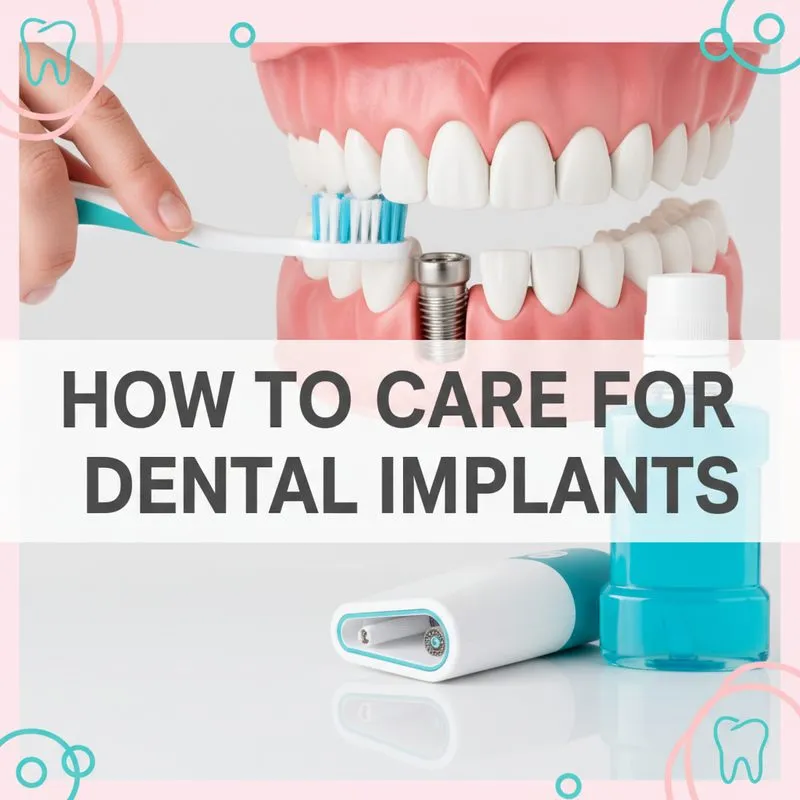
Full mouth implants require the same care as natural teeth: brushing, flossing, and regular professional checkups. Your prosthodontist will recommend a maintenance schedule, typically every six months, to monitor the health of your implants and the condition of your restoration.
With proper care, full mouth implant restorations can last 15 to 20 years or more. The implant posts themselves can last a lifetime.
How long does the whole process take?
From initial consultation to final teeth, the full mouth implant process typically takes four to eight months. Cases requiring bone grafting may take longer, as the graft needs to heal before implants can be placed. Your prosthodontist gives you a realistic timeline during the planning phase so you know what to expect.
Schedule your consultation
At Northern Colorado Dental Specialty and Implant Center, our board-certified prosthodontists have created over 1,000 full-arch restorations. We handle every phase of treatment, from planning and surgery through final restoration, under one roof, with an on-site dental lab for precision at every step.
Call us at 970-825-0000 or schedule a consultation to get started.