How to Care for Dental Implants: A Long-Term Maintenance Guide
Dental Implants
May 20, 2026
Dental implants are designed to last for decades, but longevity isn't automatic. Like natural teeth, implants require consistent daily care and regular professional maintenance to stay healthy and functional.
Caring for implants isn't complicated. It's largely the same as caring for natural teeth, with a few additional considerations.
Daily care for dental implants
Brushing
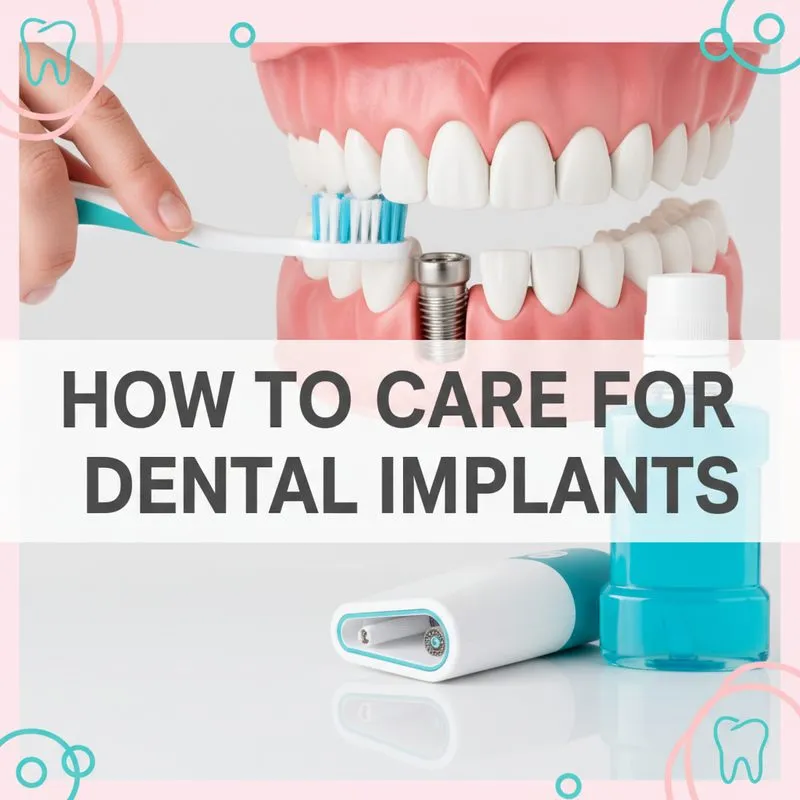
Brush at least twice a day with a soft-bristled toothbrush. An electric toothbrush can be particularly effective at cleaning around implants. Focus on brushing along the gum line where the implant meets the tissue. That's where plaque tends to accumulate and where problems start if hygiene is neglected.
Avoid abrasive toothpastes, as they can scratch the surface of the implant restoration. Standard fluoride toothpaste works well.
Flossing
Floss daily around each implant. Unwaxed tape floss or implant-specific floss works well for single implants. For bridges or full-arch restorations, a floss threader, water flosser, or interdental brush may be needed to clean underneath and between the connected teeth.
Water flossers are particularly useful for implant patients. They can reach areas that traditional floss can't, especially under bridges and around abutments.
Antimicrobial rinse
An antimicrobial mouth rinse can help reduce bacteria around the implant site. Your prosthodontist may recommend a specific product, particularly in the months following placement or if you have a history of gum disease.
What to avoid
- Chewing ice, hard candy, or popcorn kernels can crack or chip the crown on your implant. The post itself is extremely durable, but the restoration can be damaged by excessive force.
- Don't use your implant teeth to open packages, tear tape, or bite fingernails. These habits apply damaging forces that can loosen or fracture the restoration.
- Smoking significantly increases the risk of peri-implantitis, an infection of the tissues surrounding the implant that can lead to bone loss and implant failure. If you smoke, quitting is the single best thing you can do for the long-term health of your implants.
- Avoid baking soda toothpastes, stiff-bristled brushes, or any cleaning product not designed for use with dental restorations.
Professional maintenance
Regular dental checkups, typically every six months, are essential for implant patients. During these visits, your provider will:
- Examine the implant, abutment, and restoration for any signs of looseness, wear, or damage
- Check the surrounding gum tissue for inflammation or recession
- Take periodic X-rays to monitor bone level around the implant
- Professionally clean the implant using instruments designed not to scratch the surface
It's important that your hygienist uses the right instruments when cleaning around implants. Metal scalers used on natural teeth can scratch titanium surfaces, creating rough areas where bacteria accumulate. Plastic, titanium, or carbon fiber instruments are made specifically for implant maintenance.
Protecting implants from grinding
If you grind or clench your teeth (a condition called bruxism), you're placing excessive force on your implants every night. Over time, this can loosen the implant, fracture the restoration, or accelerate bone loss around the site.
A custom night guard (occlusal splint) protects both your implants and natural teeth from grinding damage. If you grind your teeth, talk to your prosthodontist about a protective splint. It's a small investment that can prevent expensive repairs down the road.
Signs something isn't right
Contact your prosthodontist if you notice any of the following:
- Pain or discomfort around the implant
- Swelling, redness, or bleeding of the gums near the implant
- The implant feels loose or moves
- The crown feels different when you bite down
- Persistent bad taste or bad breath that doesn't improve with brushing
Most implant problems are treatable when caught early. Don't wait for symptoms to get worse.
How long should implants last?
With proper care, the implant post itself can last a lifetime. The crown, bridge, or prosthesis on top typically lasts 15 to 20 years or longer before it may need replacement due to normal wear. Patients who maintain excellent hygiene, attend regular checkups, and protect their implants from grinding give themselves the best chance of keeping everything healthy long-term.
Schedule a checkup
At Northern Colorado Dental Specialty and Implant Center, our board-certified prosthodontists provide comprehensive implant maintenance for patients, whether we placed your implants or not. We'll make sure everything is healthy, stable, and on track for the long term.
Call us at 970-825-0000 or schedule an appointment.