Porcelain Crowns in Fort Collins: What the Process Actually Looks Like
Prosthodontics
July 16, 2026
If your dentist just told you that you need a crown, you probably have more questions than "does it hurt." How many visits will this take? What actually happens to the tooth underneath? Will the color match the rest of your smile? Those are fair questions, and most patients never get a straight answer before they're already sitting in the chair.
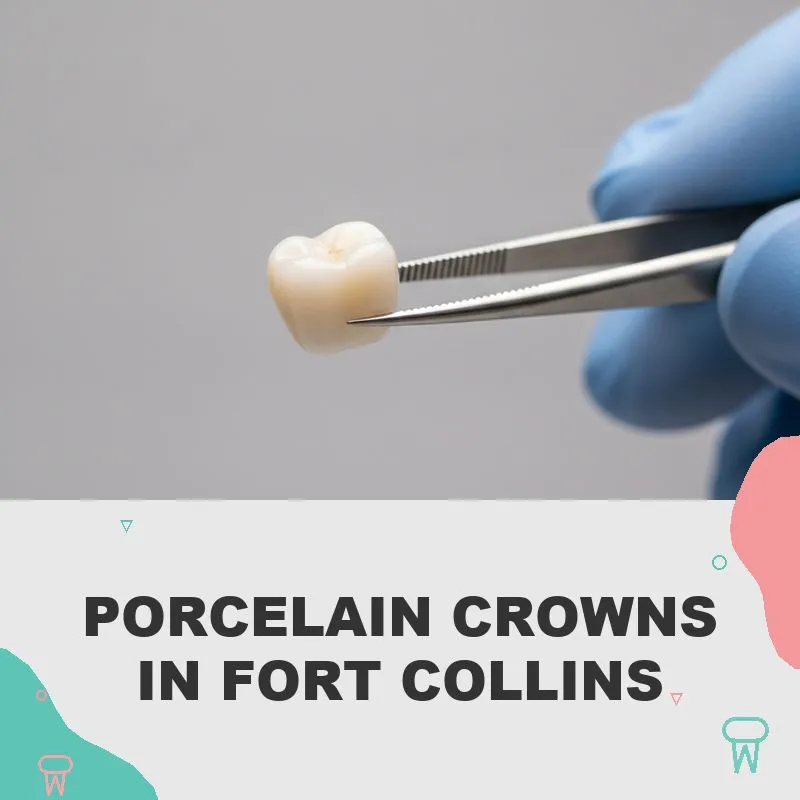
A crown is a full-coverage cap that goes over a tooth that's too damaged, cracked, or decayed for a filling to fix. It restores the tooth's shape, strength, and function, and when it's made well, it should be tough to tell apart from a natural tooth next to it. That last part matters more than most patients expect. A crown that doesn't account for your bite will feel high, get worn down fast, or put stress on the teeth around it.
If you're trying to decide between crown materials, we cover that in "Porcelain vs. Zirconia Crowns: Choosing the Right Material" — this post is about what happens once you and your prosthodontist have already decided a crown is the right call.
The Consultation & Exam
Every crown starts with an exam of the tooth itself, not just the spot that hurts. Your prosthodontist checks how much healthy tooth structure is left, whether the nerve is affected, and how the tooth bites against the ones above or below it. X-rays or a 3D scan usually happen at this visit so the lab has an accurate picture to work from.
Preparing the Tooth
Preparation means removing a thin layer of the outer tooth, usually less than a millimeter, so there's room for the crown to fit over what's left without feeling bulky. If a lot of the tooth is already gone from decay or a previous filling, your prosthodontist may need to build up a foundation first before shaping the crown around it. Once the tooth is prepped, an impression or digital scan is taken. This is the step that determines how well your final crown fits, so precision here saves you from a remake later.
Where the On-Site Lab Changes the Timeline
Most dental offices send that impression out to an outside lab, and you wait one to two weeks with a temporary crown while the permanent one gets made. We do this differently. Because we have our own lab on-site, your crown is fabricated in the same building where you're being treated, and your prosthodontist and the technician making your crown can talk to each other directly instead of communicating through paperwork. That means faster turnaround in a lot of cases, and it means adjustments to fit or shade happen in real time instead of getting shipped back and forth.
You'll still wear a temporary crown while your permanent one is being made, so you're never walking around with a prepped tooth exposed. Temporaries protect the tooth and let you eat and talk normally. They're just not as durable as what's coming next.
The Final Fit
At your final visit, your prosthodontist checks the fit, the bite, and the color match before anything gets permanently bonded. Small adjustments happen here, like shaving down a high spot or tweaking the shade if the lighting in your mouth reads differently than the lab sample. Once everything looks right, we bond the crown in place and you're done. Most patients are back to eating and talking normally within a day.
How Long Should You Expect It To Take
For a straightforward case, plan on two visits: the prep and impression visit, then the fit and bonding visit a week or two later. More complex cases (a tooth that needs a root canal first, or one that needs bone or gum work before it can support a crown) take longer, and your prosthodontist will walk you through that timeline at your first visit. Nobody should leave that first appointment guessing.
If you've got a tooth that's cracked, heavily filled, or already wearing an old crown that's starting to fail, we can take a look and tell you honestly whether a crown is the right fix. Call us at 970-825-0000 or schedule a consultation and we'll walk you through exactly what your case would look like.