What Happens If You Don't Replace a Missing Tooth?
Prosthodontics
December 12, 2025
When a tooth is lost to decay, injury, or extraction, the visible gap is only the beginning. What happens beneath the surface over the weeks, months, and years that follow can seriously affect your oral health, your appearance, and your ability to eat comfortably.
Prosthodontists recommend addressing the gap early because the longer you wait, the more complicated treatment becomes.
Bone loss begins immediately
Every tooth is surrounded by alveolar bone, the bone that anchors the tooth root. When a tooth is removed, that bone stops receiving the stimulation it needs to maintain its density. Without stimulation, the bone begins to resorb, gradually dissolving away.
This process starts within the first few weeks after tooth loss. Studies show the jawbone can lose up to 25% of its width in the first year after extraction, and the loss continues from there.
Bone loss also limits your future treatment options. The longer a tooth is missing, the less bone remains to support a dental implant. Patients who wait years to replace a missing tooth often need bone grafting before an implant can be placed, which adds time and complexity to treatment.
Surrounding teeth shift
Teeth aren't fixed rigidly in the jawbone. They naturally press against each other, keeping their neighbors in position. When a tooth is missing, the teeth on either side of the gap begin drifting into the empty space. The tooth directly above or below the gap can also start to over-erupt, moving out of its socket because there's nothing to bite against.
This shifting happens gradually, but over time it can cause:
- Crowding and misalignment of previously straight teeth
- New gaps opening between teeth that were once tightly spaced
- Changes in how your upper and lower teeth come together when you bite
- More difficulty cleaning between shifted teeth, which raises the risk of decay and gum disease
Your bite changes
When teeth shift and the opposing tooth over-erupts, the way your upper and lower teeth meet (your occlusion) changes. An altered bite means uneven distribution of chewing forces. Some teeth end up absorbing more pressure than they were designed for, which can lead to excessive wear, cracking, and eventual failure of otherwise healthy teeth.
Bite changes can also contribute to jaw pain, headaches, and TMJ problems. The temporomandibular joints are sensitive to changes in occlusion, and a bite altered by tooth loss places uneven stress on the joints and surrounding muscles.
Facial structure changes
Your teeth and jawbone provide the structural support for the lower third of your face. When teeth are lost and bone resorbs, the face changes in noticeable ways:
- Cheeks can appear sunken or hollow
- Lips lose support and may appear thinner
- The chin can rotate forward, changing the profile
- The overall appearance ages significantly
These changes are most pronounced when multiple teeth are missing. But even a single missing tooth, particularly in the front of the mouth, can visibly affect facial symmetry over time.
Chewing and nutrition
Missing teeth reduce your ability to chew food effectively. Most people compensate by chewing on the other side or avoiding certain foods altogether. Over time, this can lead to digestive issues from swallowing poorly chewed food and nutritional gaps from skipping harder foods like raw vegetables, nuts, and lean meats.
The domino effect
These consequences compound. Bone loss leads to shifting. Shifting leads to bite changes. Bite changes cause excessive wear on remaining teeth, and excessive wear leads to more tooth loss. A single missing tooth, left unreplaced, can set off a chain of events that affects the entire mouth.
This is why prosthodontists view tooth replacement as a structural necessity. Replacing a missing tooth preserves the health and stability of everything around it.
Replacement options
Several options exist for replacing a missing tooth, each with different benefits depending on your situation:
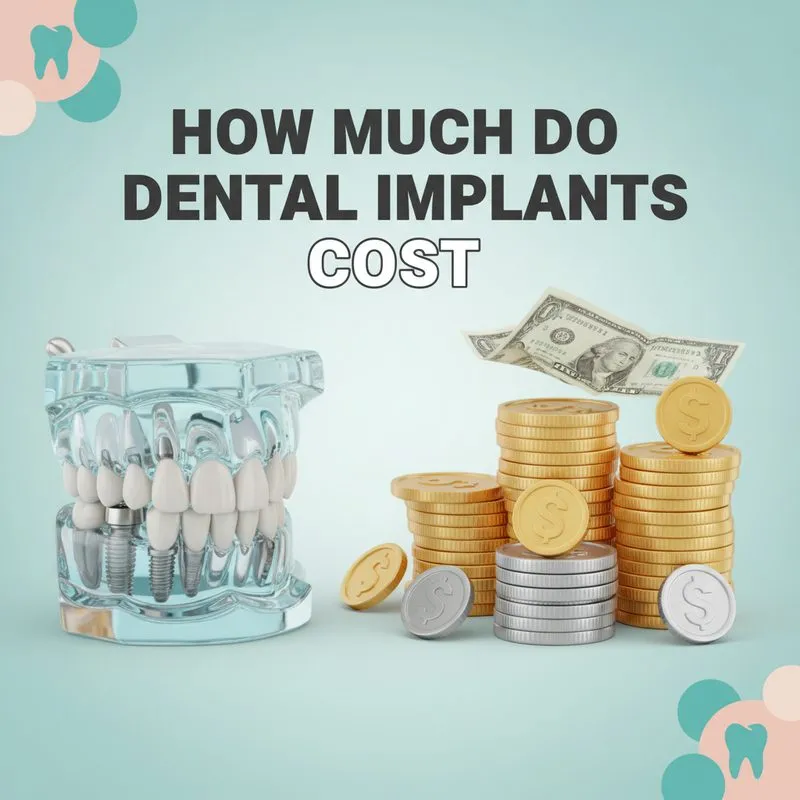
- Dental implants are the only option that replaces the tooth root and stimulates the jawbone to prevent bone loss.
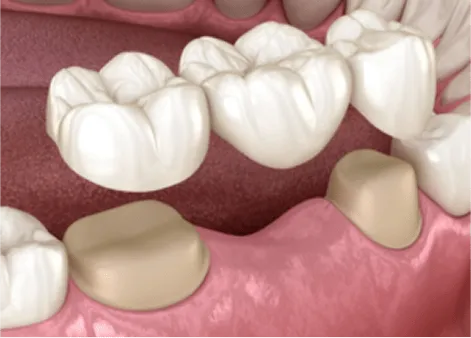
- Dental bridges are a fixed restoration that spans the gap using adjacent teeth as anchors.
- Dentures are removable replacements for one or more missing teeth.
Your prosthodontist can evaluate your specific situation and recommend the option that best fits your needs, timeline, and long-term goals.
Schedule a consultation
At Northern Colorado Dental Specialty and Implant Center, our board-certified prosthodontists specialize in replacing missing teeth and preventing the complications that come from leaving gaps untreated. The sooner a missing tooth is addressed, the simpler and more predictable the treatment tends to be.
Call us at 970-825-0000 or schedule a consultation.