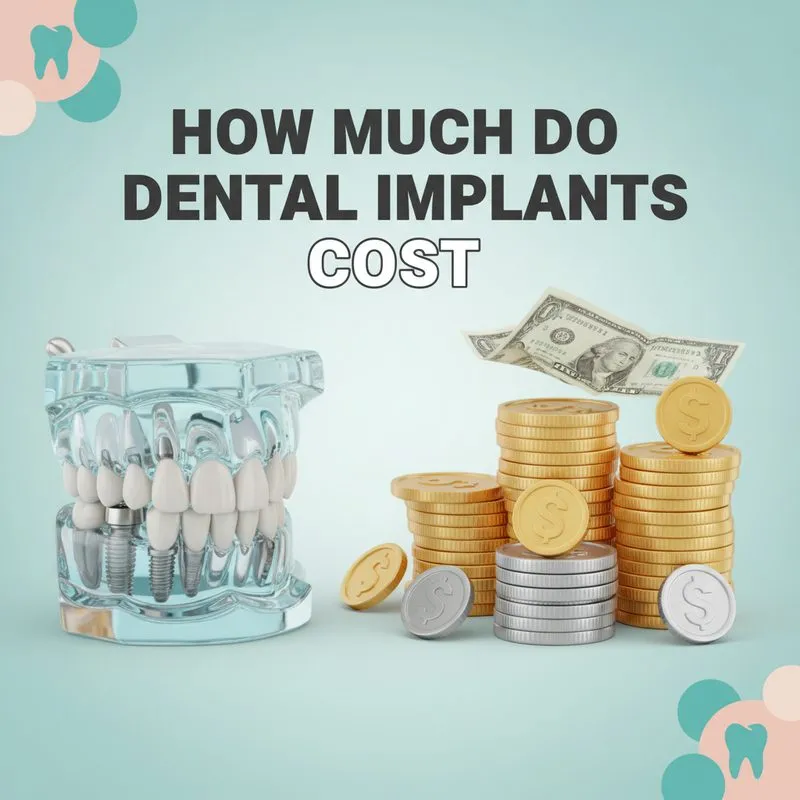
How Much Do Dental Implants Cost?
Dental Implants
January 20, 2026
If you're considering dental implants, cost is probably one of your first questions. The honest answer is that there's no single number. The cost depends on how many teeth you're replacing, what type of restoration you need, and whether any preparatory procedures like bone grafting are required.
This page breaks down what dental implants typically cost, what drives the price, and how to think about the investment.
What dental implants actually cost
Pricing varies based on the scope of treatment, and every patient's situation is different. Rather than quoting a general range that may not apply to you, here's what influences the cost at each level of treatment.
A single dental implant includes three components: the implant post, the abutment (connector), and the custom crown. Each requires precision fabrication, and the cost depends on materials, complexity of placement, and whether any prep work is needed.
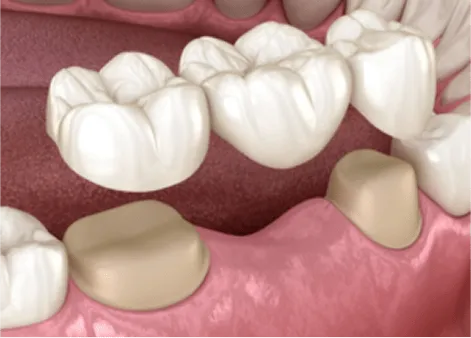
An implant-supported bridge uses two or more implants to support a connected set of replacement teeth for patients missing several teeth in a row. Cost depends on the number of implants required and how many teeth the bridge replaces.
For patients replacing all teeth in the upper or lower jaw, full mouth implants using an All-on-4 or similar approach represent a larger investment. The total depends on the number of implants placed, materials used for the final restoration, and whether bone grafting or other preparatory procedures are needed.
Because these variables differ for every patient, the best way to understand your specific cost is through a consultation where your prosthodontist can evaluate your situation and provide a detailed estimate.
What factors affect the cost?
The wide range in pricing isn't arbitrary. Several factors influence where your treatment falls.
Number of implants needed
A single missing tooth requires one implant. A full arch may require four to six. More implants means more surgical time, more materials, and more lab work.
Bone grafting
When a tooth has been missing for a while, the jawbone beneath it starts to deteriorate. If there isn't enough bone to support an implant, a bone graft may be needed before placement. Grafting adds both time and cost to the overall treatment, and the extent required varies from patient to patient.
Type of restoration
The implant post goes in the jawbone, but the visible tooth on top is where much of the cost and craftsmanship lies. A single crown is different from a full-arch prosthesis. Materials matter too. High-quality porcelain or zirconia restorations cost more than acrylic, but they look more natural and last significantly longer.
Who is placing your implants
The training and expertise of your provider affects both the cost and the outcome. A board-certified prosthodontist has completed three additional years of specialized training beyond dental school, focused specifically on tooth replacement and restoration. This level of expertise typically costs more than having implants placed by a general dentist, but the precision in planning, placement, and restoration often means fewer complications and better long-term results.
On-site lab vs. outsourced lab work
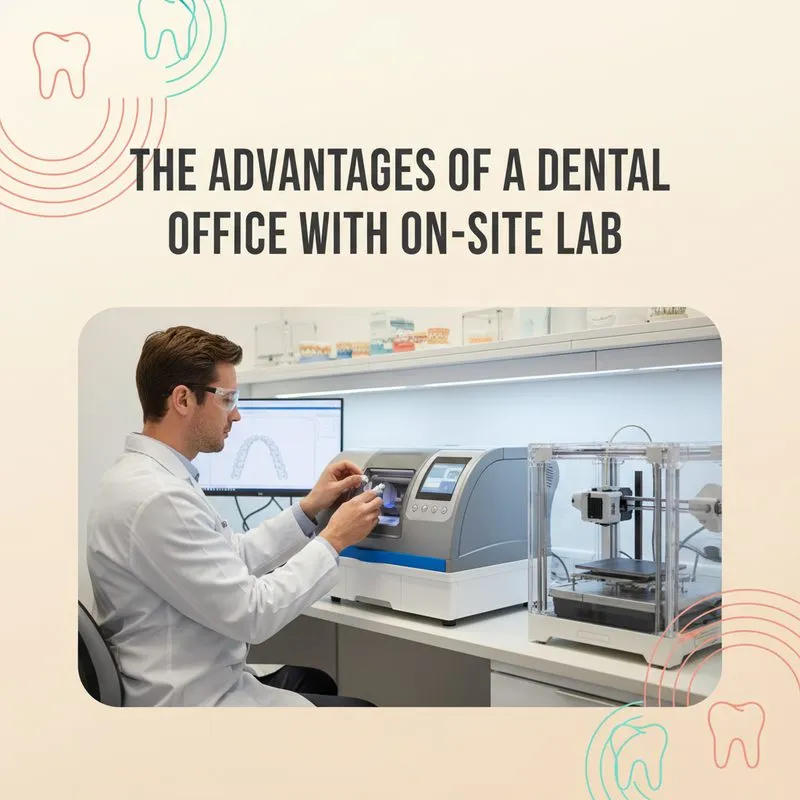
Practices with an on-site dental lab fabricate restorations in-house, which often means better fit, more accurate color matching, and faster turnaround. Practices that outsource lab work to third-party facilities may have less control over quality and longer wait times.
Why dental implants cost more than dentures
Comparing implant costs to denture costs is natural, since dentures are significantly less expensive upfront. But the comparison isn't straightforward.
Dentures sit on top of the gums and don't prevent bone loss. Over time, the jawbone continues to shrink, which changes the fit and may require relines, adjustments, or replacements every several years. Dental implants fuse with the jawbone and stimulate bone growth, preserving your facial structure and providing a permanent foundation.
When you factor in the longevity of implants, which can last 20 years or more with proper care, the long-term cost often compares favorably to decades of denture maintenance and replacement.
Does insurance cover dental implants?
Coverage varies widely by plan. Some dental insurance plans cover a portion of the implant procedure, while others classify implants as cosmetic and offer no coverage. Medical insurance may cover implants if tooth loss resulted from an accident or medical condition.
It's worth checking with both your dental and medical insurance providers. Many practices, including ours, also offer third-party financing and flexible payment plans to make treatment more accessible.
How to think about the investment
Dental implants are one of the larger investments you'll make in your health. What you're getting is a permanent, natural-looking, fully functional replacement for missing teeth that protects your jawbone and doesn't require adhesives, special cleaning, or periodic replacement.
The best way to understand what your specific treatment will cost is to schedule a consultation. The number of missing teeth, the condition of the jawbone, and the type of restoration needed all factor into a personalized treatment plan and cost estimate.
Schedule your implant consultation
At Northern Colorado Dental Specialty and Implant Center, our board-certified prosthodontists have placed over 5,000 dental implants. We'll evaluate your situation, explain your options, and provide a clear cost estimate with no surprises. Flexible financing is available.
Call us at 970-825-0000 or schedule a consultation to get started.