How Long Do Dental Implants Last?
Uncategorized
May 8, 2026
Most patients considering dental implants want to know how long they'll last before committing. That makes sense. Implants are a real investment, and you want to know what you're getting for it.
Dental implants are the longest-lasting tooth replacement option available today. But the full picture depends on understanding what an implant actually is and what affects its longevity.
Two parts, two lifespans
A dental implant is really two components working together.
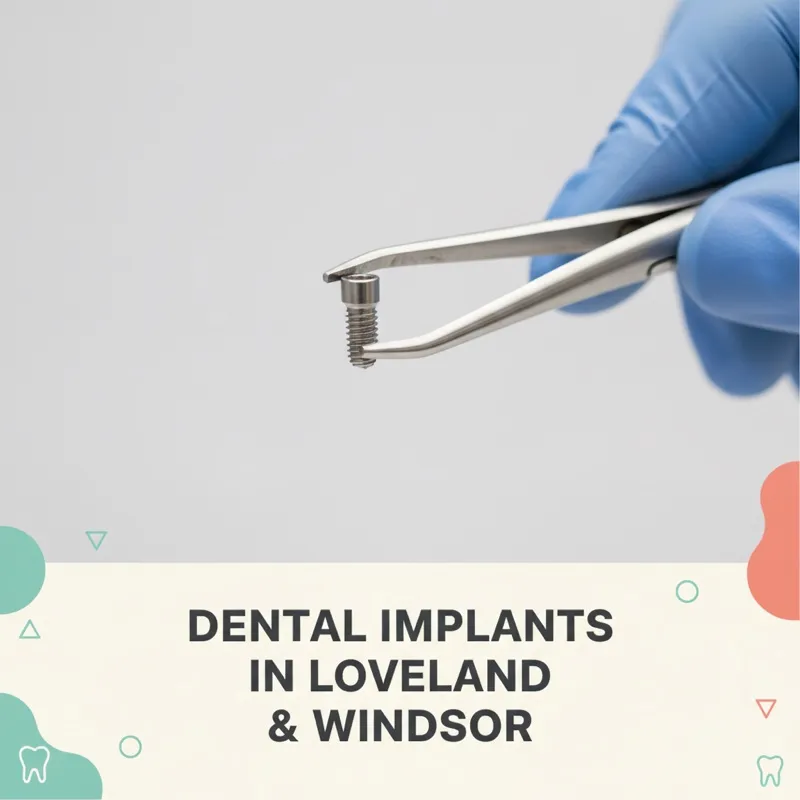
The implant post is the titanium screw placed into your jawbone. Once it integrates with the bone (a process called osseointegration), it becomes a permanent part of your anatomy. The post itself can last a lifetime. Studies tracking implants over 20 to 30 years show success rates above 95%, and many implants placed decades ago are still functioning perfectly.
The restoration is the crown, bridge, or prosthesis attached to the implant. This is the visible part that functions as your tooth. Restorations are made from materials like porcelain, zirconia, or acrylic, and they experience daily wear from chewing and normal use. A well-made restoration typically lasts 15 to 20 years before it may need to be replaced. Some last longer.
So when people ask "how long do implants last," the answer is that the foundation is permanent, and the tooth on top lasts many years before it may need updating.
What affects implant longevity?
Oral hygiene
This is the single biggest factor within your control. Implants can't get cavities, but the gum and bone tissue around them can become infected, a condition called peri-implantitis. It's the leading cause of late implant failure, and it's largely preventable with good daily hygiene. Brush twice a day, floss around your implants daily, and use a water flosser if your prosthodontist recommends one.
Regular professional maintenance
Routine dental checkups, typically every six months, allow your provider to monitor the health of your implants, check for early signs of bone loss or tissue inflammation, and professionally clean the implant site using instruments designed not to damage the titanium surface.
Smoking
Smoking is one of the strongest risk factors for implant complications. It restricts blood flow to the gums and bone, impairs healing after placement, and significantly increases the risk of peri-implantitis. Smokers have implant failure rates roughly two to three times higher than non-smokers.
Teeth grinding (bruxism)
Chronic grinding or clenching places excessive force on implants and restorations. Over time, this can fracture the restoration, loosen the implant, or accelerate bone loss. If you grind your teeth, a custom night guard is essential.
Quality of the original placement
The skill and planning behind the initial placement have a lasting impact. Proper positioning, adequate bone support, and a well-designed restoration all contribute to long-term stability. A precisely placed implant with a well-crafted restoration gives you the best foundation for decades of function.
Overall health
Systemic conditions like uncontrolled diabetes, autoimmune disorders, and osteoporosis can affect the bone and tissue around implants. Managing these conditions effectively supports implant longevity.
How do implants compare to other options?
No other tooth replacement option matches the longevity of dental implants.
- Dentures typically last 7 to 10 years and need periodic relines and adjustments as the jawbone changes.
- Dental bridges typically last 10 to 15 years and require healthy adjacent teeth to be modified for support.
- Dental implants, by comparison, have a post that can last a lifetime and a restoration that typically lasts 15 to 20 years or more.
Implants are also the only option that preserves jawbone. They actively protect the surrounding bone structure that other options allow to deteriorate over time.
Maximizing the life of your implants
The patients who get the most years out of their implants tend to share a few habits. They maintain excellent daily oral hygiene, attend regular professional checkups, avoid smoking, and wear a night guard if they grind their teeth. When something feels off, they address it quickly rather than waiting.
None of this requires extraordinary effort. These are the same habits that keep natural teeth healthy, which makes sense, because dental implants at their best function just like natural teeth.
Schedule a consultation
At Northern Colorado Dental Specialty and Implant Center, our board-certified prosthodontists have placed over 5,000 dental implants. We use precision planning, quality materials, and our on-site dental lab to give every implant the best possible foundation for long-term success.
Call us at 970-825-0000 or schedule a consultation.