
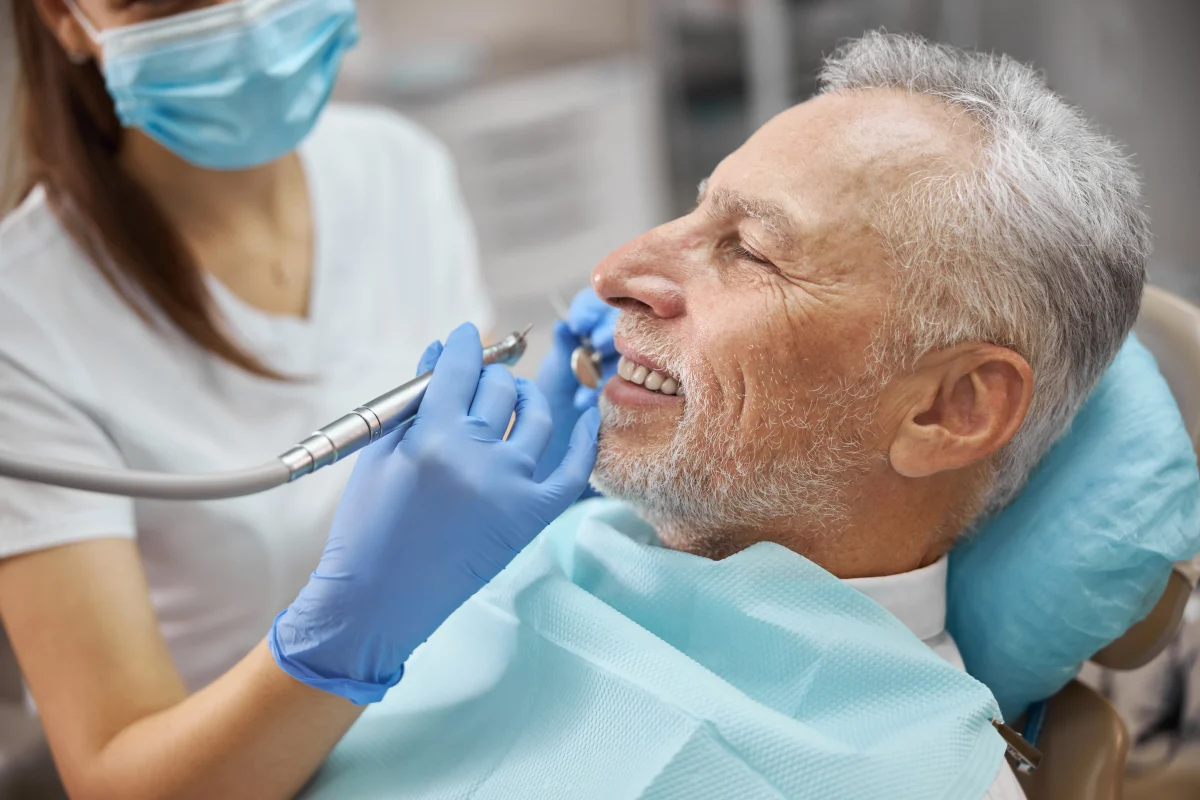
Fort Collins TMJ Treatment - Relief From Jaw Pain Starts Here
Specialized TMJ diagnosis and treatment from board-certified prosthodontists. Custom splints fabricated in our on-site lab. Most patients find relief with conservative, non-surgical options.
Schedule a TMJ Consultation Call 970-825-0000 Specialized TMJ Care - From Diagnosis to Relief
Living with jaw pain, chronic headaches, or difficulty eating shouldn't be your normal. At Northern Colorado Dental Specialty, TMJ treatment is one of our core specialties — not a side service. Our board-certified prosthodontists have advanced training in jaw function and bite mechanics that goes far beyond what general dentists learn.
We take a conservative, stepwise approach: starting with the least invasive options and only escalating when necessary. Most patients find significant relief without surgery. And because we have a full dental lab on-site, your custom splints and night guards are fabricated here — designed specifically for your bite, not ordered from an outside lab.
What makes us different:
- Prosthodontists, not general dentists — 3+ years of specialized training in jaw function and bite mechanics
- On-site lab — custom splints fabricated in-house for precise fit and faster turnaround
- Conservative first — we exhaust non-surgical options before considering anything invasive
- Thorough diagnostics — digital imaging, CT, and MRI when needed to find the root cause
- 20+ years — serving Fort Collins, Loveland, Greeley, and Northern Colorado
If you've been living with jaw pain or been told there's nothing that can be done, we'd like the chance to take a closer look.
Schedule an Appointment Now
Whether it’s your first visit or a routine appointment, our friendly dental team is here to make your experience comfortable and stress-free.
"*" indicates required fields
Real Results, Real Smiles
Our Patients Say It Best
Our Specialty Dentists

Justin Liddle, DMD, CDT, Prosthodontist
Dr. Liddle is a distinguished prosthodontist who earned his doctorate from Case Western Reserve University and completed a three-year Prosthodontic Residency at Louisiana State University Health Science Center. Internationally trained in dental esthetics and implant dentistry, he was awarded 1st Place in the Nobel Biocare Student Case Presentation Award. As one of the few prosthodontists serving Northern Colorado, Wyoming, and Nebraska, Dr. Liddle is also a respected educator, leading advanced courses on implant dentistry techniques.
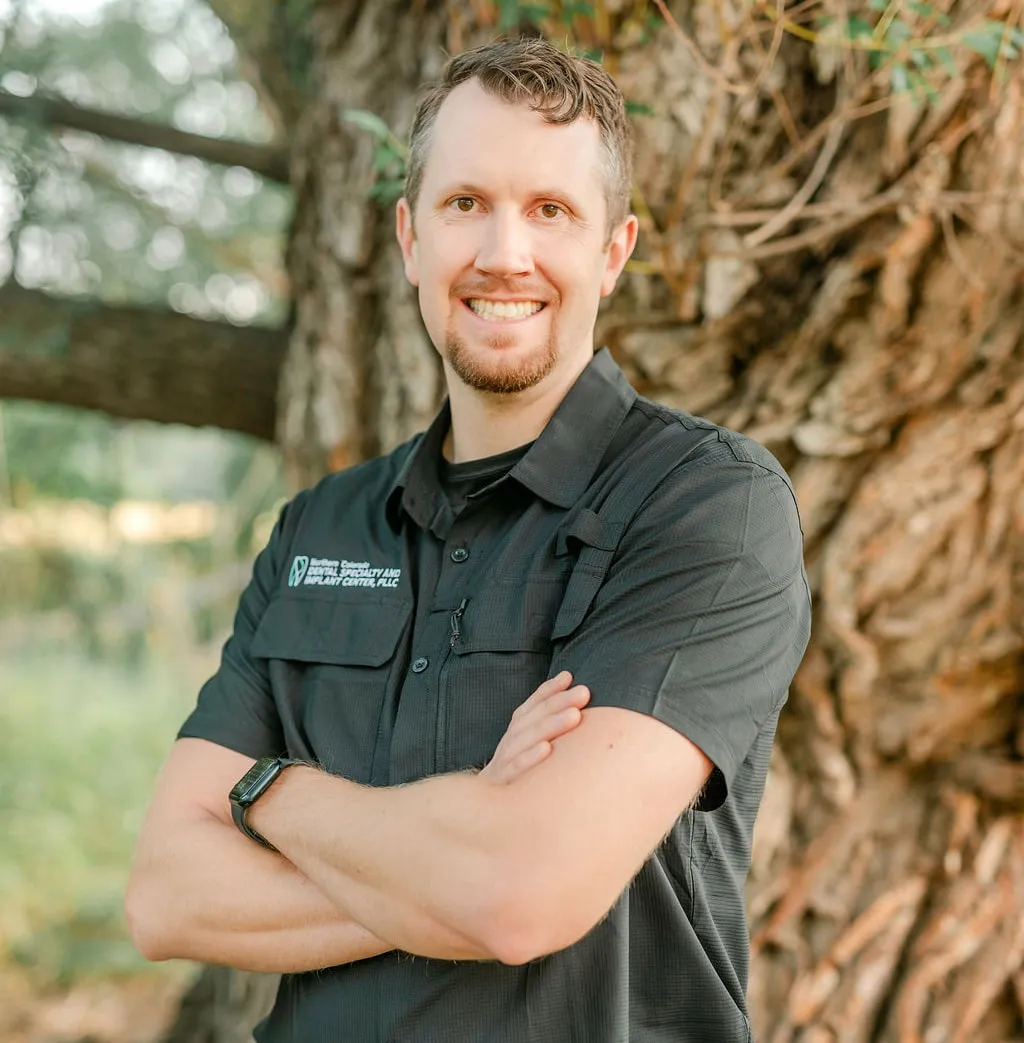
Kirk Harvey, DMD
Dr. Kirk Harvey earned his Doctor of Dental Medicine degree from Midwestern University College of Dental Medicine in Arizona, where he was honored with the prestigious Hanau Excellence in Prosthodontics Award for his outstanding clinical skills.

Why Patients Trust Us for TMJ Treatment
- Board-Certified Prosthodontists Specialized training in jaw function, occlusion, and bite alignment
- Conservative Approach Non-surgical options first, escalate only when necessary
- 20+ Years of Experience Serving Northern Colorado and Wyoming
- On-Site Dental Lab Custom splints and night guards fabricated in-house
- Advanced Diagnostics Digital imaging, CT, and MRI for accurate diagnosis
- Flexible Financing Third-party financing and payment plans available
Frequently Asked Questions About TMJ Treatment
Whether you're exploring treatment options like dentures or dental implants, looking to brighten your smile, or curious about the latest technology in dental care, this FAQ section is here to help. Learn why choosing a prosthodontist—an expert in the restoration and replacement of teeth—can make a difference in your treatment experience and results. Dive into answers about procedures, benefits, and innovations that can guide you toward a healthier, more confident smile.
Signs You May Have TMJ Disorder
TMJ disorders can show up in a variety of ways, and many patients are surprised to learn that what they thought was just “how their jaw worked” was actually a sign of TMJ.
Here are some of the most common to watch for:
- Jaw pain or tenderness: An aching discomfort in or around the jaw joint, particularly when chewing, speaking, or yawning
- Clicking, popping, or grinding sounds: You hear noises when you open or close your mouth, and sometimes feel a “catching” sensation
- Difficulty opening or closing your mouth: You have a limited range of motion in your jaw, or it sometimes "locks" in an open or closed position
- Facial pain: You feel consistent discomfort that radiates through the cheeks, temples, or around the ears
- Frequent headaches: You have an increase in tension-type headaches or pain that starts near your temples
- Ear symptoms: You feel unexplained pain, fullness, or ringing in the ears
- Neck and shoulder tension: Muscle tightness that seems connected to jaw discomfort
- Tooth wear or sensitivity: You’re often grinding or clenching, and that wear on your teeth is evident in dental exams
It’s key to remember that any of these symptoms can have other causes. That's why speaking with a specialist and getting a proper diagnosis is essential before starting any treatment.
Are your symptoms a sign of TMJ? Schedule a consultation with our team today, and let’s discuss what may be going on – and how you can gain relief!
What Causes TMJ Disorders?
TMJ problems rarely have a single cause. For most patients, TMJ results from a combination of factors:
Teeth grinding or clenching (bruxism): Often occurring during sleep, this habit puts tremendous stress on the jaw joints and muscles
Jaw injury or trauma: A sudden impact to the face or other injuries (such as whiplash) can damage the joint or surrounding structures
Arthritis: Osteoarthritis or rheumatoid arthritis can affect the temporomandibular joint
Disc displacement: The small cartilage disc that cushions the joint can slip out of position, which may be causing the clicking and painful sensation
Stress: Tension can lead to jaw clenching, muscle tightness, and increased pain
Bite misalignment: If your teeth aren’t coming together properly, the jaw muscles will work harder to compensate
Learning more about these underlying causes can help you get a sense of what may be causing your TMJ symptoms. Our team will work with you to identify the root cause and create a treatment plan that works for you.
How We Diagnose TMJ Disorders
TMJ requires a careful, accurate diagnosis. When you have a clear understanding of what’s happening in the face and jaw, the chances of treatment being effective rise dramatically.
That’s why we believe in a full, comprehensive consultation as the foundation of any TMJ treatment process. When you visit our Fort Collins office, here's what you can expect:
A Comprehensive Medical History
We start by discussing your symptoms in detail. We’ll ask about when they started, what makes them better or worse, and how they are currently affecting your daily life.
We’ll also ask about habits like clenching or grinding, as well as any previous jaw injuries that may point to TJMJ onset. We’ll assess your stress levels and sleep quality – all to gain valuable clues about what's happening with your jaw.
Physical Examination
The next part of the process involves a careful examination of your jaw. In this examination, we’ll look at your range of motion and listen for any tell-tale signs of TMJ, such as joint sounds and tenderness in the muscles and joints.
We'll also evaluate your bite and look for signs of wear on your teeth that might indicate grinding.
Advanced Imaging (When Needed)
In some cases, we may need a deeper look at what’s happening within the joint itself. Digital X-rays can reveal bone changes, while CT or cone-beam imaging provides detailed views of the joint structure.
MRI is often considered the gold standard for TMJ imaging, allowing us to evaluate the disc and soft tissues directly. We'll recommend imaging only when it's necessary to guide your treatment.
TMJ Treatment Options
Here’s the great news: TMJ disorders respond well to conservative, non-surgical treatment. At our practice, we take a stepwise approach – starting with the simplest interventions and progressing only if needed.
Self-Care and Lifestyle Modifications
Often, simple changes can make the most significant difference. To begin, we may recommend a soft diet to rest your jaw or applying heat or cold packs to ease pain and muscle tension. We can also provide you with techniques to reduce stress and break clenching habits.
Custom Occlusal Splints (Night Guards)
Many patients have found that a custom-made oral appliance offers the best results for TMJ treatment.
Worn at night (and sometimes during the day), these splints reduce stress on the jaw joints. This helps protect your teeth from grinding damage and relaxes your jaw muscles as you sleep.
Our custom splints are precisely fitted using impressions of your teeth. Thanks to our on-site dental laboratory, we can fabricate and adjust your splint right here – so you get a perfect fit without waiting for a lab!
Physical Therapy
Jaw exercises and physical therapy can help improve your range of motion and reduce pain. We may recommend specific stretches and strengthening exercises, and postural training. In some cases, we may refer you to a physical therapist who specializes in TMJ disorders.
Medications
For short-term relief, we may recommend over-the-counter anti-inflammatory medications or prescribe muscle relaxants. These are short-term solutions designed to ease acute, severe pain and muscle spasm. Medications are typically used alongside other treatments, not as a standalone solution.
Advanced Treatments
In rare cases where the above measures haven't provided enough relief, additional options may be considered. Options include joint injections, arthrocentesis (a minimally invasive procedure to flush the joint), or referral to an oral surgeon for more complex cases. We always exhaust conservative options before recommending anything invasive.
Benefits of Early TMJ Treatment
Why seek treatment now instead of waiting to see if symptoms improve on their own? Early intervention is always better than waiting – as you can often get faster relief with far less invasive measures:
- The sooner we start treatment, the sooner you feel better, and the less invasive the process
- Untreated TMJ problems can worsen over time, leading to chronic pain and other symptoms that are harder to treat
- Early TMJ treatment can help limit wear and degenerative changes in the joint
- TMJ disorders can contribute to headaches, tooth wear, sleep disruption, and neck pain – treating the source helps prevent these complications
Find Relief from TMJ Pain
You don't have to live with jaw pain, and it is possible to stop the clicking and locking up once and for all! Effective treatment starts with an accurate diagnosis. Meet our caring team and start your journey toward better jaw health today!
Schedule NowCall (970) 825-0000 today to schedule your TMJ consultation. Relief is closer than you think!