Dental Implants vs Bridges
Dental Implants
February 26, 2026
Dental Implants vs Bridges: What’s Best for Replacing Missing Teeth?
Losing your teeth may be a traumatic event but with today's modern dentistry there are many ways to replace your teeth and restore your smile and confidence. The two most common ways to replace missing teeth are dental implants or dental bridges.
Dental implants and dental bridges have their own set of advantages but to determine which one is best suited for you, there are many variables that must be considered including how many teeth are missing, your overall oral health and what you want.
What Are Dental Implants?
Tooth replacements using dental implants have become one of the most common and durable ways to replace missing teeth. A dental implant is a titanium post that is surgically inserted into the jawbone in place of a missing tooth root, which ultimately becomes an anchor for a custom-made crown. The fusion of the bone with the implant will create a solid base for the placement of a crown that will restore both the look and function of the missing tooth.
Benefits of Dental Implants:
- Lasting Long-Term Solution: With the right care, dental implants can provide a lasting solution, providing a low-cost option for patients who want to replace their teeth.
- Look & Feel Like Your Own Teeth: Because an implant is implanted directly into the bone, it will have a very natural look and feel to your own teeth.
- Better Overall Oral Health: By helping stimulate the jawbone, dental implants will prevent the bone loss from occurring around the area where the tooth was lost.
- Causes No Damage to Surrounding Teeth: Unlike bridges, dental implants do not damage or alter healthy surrounding teeth.
- Works Just Like Natural Teeth: Dentists say that dental implants work just like your natural teeth. This means that you can eat, talk and smile without worrying about whether your new tooth will come loose.
What Are Dental Bridges?
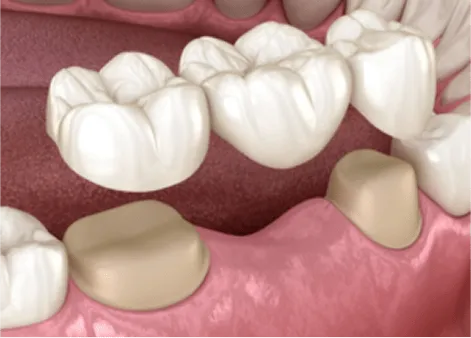
A dental bridge is a type of dental restoration used to replace one or more missing teeth. A dental bridge is made up of a false tooth (or false teeth), and the false tooth is anchored to the two adjacent teeth or dental implants. The false tooth will fill the space left by the missing tooth. The false tooth has two abutment teeth that anchor the bridge in place, and these abutment teeth were the original natural teeth.
Dental Bridge Benefits:
- More Conservative Procedure: Unlike implants, which involve surgical procedures, dental bridges usually do not require a lot of discomfort or extended recovery time.
- Faster Treatment: The treatment process for a dental bridge is generally faster than for an implant, since there is no bone grafting or healing period.
- Preserve Function: Dental bridges help to preserve the chewing and speaking functions of a patient’s mouth so he/she can feel confident about their smile again.
- Economical: For individuals who have limited financial resources, dental bridges are a less expensive alternative to implants.
- Smaller Changes: Only the two teeth that border the area of the missing tooth need to be prepared for a bridge to be placed; this can be beneficial for patients who have good oral health and want to make minimal changes.
Dental Implants vs Bridges: Key Differences
Procedure Involved
The dental implants and bridges are both used to restore missing or damaged tooth structure.
Dental implants require several procedures which include an oral surgery placement of the titanium post into the jawbone after which time the bone fuses with the implant. Following this there will be a dental restorative (crown) that will be placed on top of the implant; thus, restoring the tooth.
A dental bridge requires the preparation of adjacent teeth so that they can provide additional support for the bridge. This process may take two to three visits to your dentist to create impressions of your teeth and fit the bridge properly to ensure it will function as desired.
2. Longevity
"Dentures" vs "Dental Implants": Dentures can last up to 5 years with proper care, while implants can last a lifetime; the implant itself becomes part of your bone structure.
"Bridges" vs "Crowns": Dental bridges have a lifespan of approximately 10 to 15 years. Crowns can typically last 7 to 15 years; both may eventually require replacement because of wear and/or tooth decay.
3. Aesthetic Appeal
Dental Implants: Dental Implants look like and feel like real teeth. Dental Implants are placed directly into your jawbone to allow them to blend in with the rest of your teeth.
Dental bridges: Dental bridges can restore the appearance of your smile, but the false tooth is connected to the surrounding teeth so it will not be as natural looking as a dental implant.
4. Bone Health
Another significant benefit of dental implants is that they encourage stimulation of the jawbone, therefore preventing or slowing down the atrophy of the bone due to tooth loss as opposed to bridges, which do not provide the same kind of bone maintenance; thus, may cause additional loss of bone structure in the area where the tooth was lost.
5. Comfort
Dental Implants: They also provide a certain level of comfort and stability in the bone to which they are attached as they mimic your natural teeth and don’t slide around like your natural teeth do when you chew.
Dental Bridges: Bridges, while comfortable, do not have the same level of stability as an implant because the bridge needs to be adjusted to fit properly so it doesn't cause discomfort.
6. Cost
Dental Implants: The cost of dental implants is generally higher than that of dental bridges because of both the surgical process required for placement of an implant along with the materials used in creating the final product; however, there can be significant cost benefits from investing in a dental implant long term.
Dental Bridges: Dental bridges are usually less expensive than dental implants at the time of initial purchase; but may also need repair or replacement at some point in the future.
Which Option Is Right for You?
The selection of whether to opt for dental implants or dental bridges depends upon your personal preferences, dental needs and oral health status. Dental implants would likely be an excellent choice for you if you have one or two missing teeth and want a long-term solution that looks and functions like your own teeth.
A dental bridge may be your better option if you prefer a quicker, less invasive procedure. In addition, if you are missing more than one tooth but are not a candidate for dental implants, a bridge could give you back both the look and feel of your original teeth.
We understand each person's oral health situation is different and want to assist you in making the right decision for your smile. We will work with our patients' skilled periodontists and dental professionals to make sure their treatment plan meets their specific needs.