What Makes Periodontal Specialists Different from General Dentists
Periodontics
March 19, 2026
What Is a Periodontal Specialist?
Periodontal specialists are dentists with postgraduate education that have chosen to specialize in treating conditions such as gum disease; they provide preventive care for patients, diagnose gum diseases, and treat both gum diseases and the structures around them which include the bones that support their teeth.
Specialized Training and Expertise
Periodontists receive an additional 3 years of training beyond dental school that includes hands-on clinical experience as well as all the educational components for the treatment of gum disease, dental implants, soft tissue grafting, bone regeneration and other complicated treatments to manage gum disease. The extra schooling provides periodontists with the knowledge to provide surgical care and advanced care that is outside of what a General Dentist can perform.
What Does a Periodontist Do?
A periodontist is a dentist or dental surgeon who specializes in diagnosis, treatment and management of diseases that affect the gum (periodontal) tissues and bone that support your teeth. Periodontists are trained to treat all the possible treatment options for periodontal disease (both surgical and non-surgical).
Here are some key services periodontists provide:
1. Treatment of Gum Disease
- Gingivitis: An early stage of gum disease where gums become inflamed and bleed.
- Periodontitis: An advanced stage of gum disease characterized by receding gums, pockets formed between the teeth and gums, and loss of bone around the roots of the teeth.
- Scaling and Root Planing: The removal of plaque and tarter from below the gumline through a deep cleaning process.
2. Surgical Procedures
- Osseous Surgery: A procedure that removes the bone from the root area so that pocket reduction can be accomplished and help gums attach back to the tooth.
- Gum Grafting: Gum grafts are used to replace lost gum areas and provide protection to the roots of your teeth.
- Bone Grafting: Bone grafts are used to restore bone loss that has occurred. Often these procedures are done prior to placing a dental implant.
3. Dental Implants
- Placement of Dental Implants: Periodontists are experts in the placement of dental implants, which are used to replace individual teeth. The process involves surgically placing a titanium root (post) into the bone beneath the gum tissue at the site where the tooth is missing. After the implant heals for several months, it is capped with an artificial crown.
4. Treatment of Gum Recession
- Soft Tissue Grafting: The surgeon will remove healthy gum from one area of your mouth to attach to a tooth that has lost its gum support. The gum can also be taken from someone else who is willing to donate their gum. The new gum is then placed on the area where the gum was lost and attached with sutures. Once the gum is in place it helps to protect the root of the tooth and helps prevent further loss of bone or gum loss.
5. Managing Complex Periodontal Conditions
- Periodontists handle advanced gum-disease issues (complexity), like aggressive-periodontitis, that usually require multiple-treatment modalities, i.e., surgery and long-term management (Ongoing).
- Periodontists deal with complex gum-disease problems, such as Aggressive-Periodontitis, for example, that often necessitates an extended treatment plan, such as surgical intervention and continued follow-up (Long-term).
What Is a General Dentist?
General dentistry has the purpose to promote, preserve and maintain the oral health of patients using a variety of methods that can be used for both prevention and treatment. General dentists perform many common procedures, such as cleanings, X-rays, fillings, extractions and more. It is generally recommended that you visit your general dentist every six months for check-ups and cleanings to help keep your teeth and mouth healthy.
General Services Provided by a Dentist
- Routine Cleanings: General Dentists do routine cleaning and exams to find cavities, gum disease and any other problems that you may have.
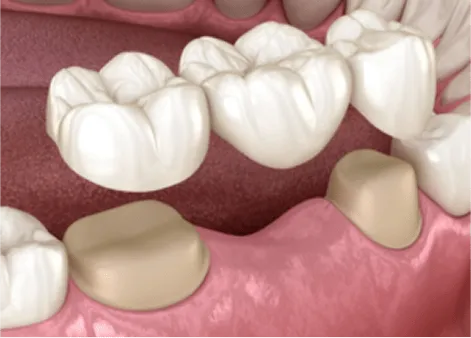
- Fillings and Restorative Care: General Dentists fix tooth cavities, chipped or cracked teeth by putting in fillings, crowns and/or bridges.
- Tooth Extractions: A General Dentist can pull out a tooth that is either damaged, decayed or must be pulled out.
- Preventive Care: General Dentists will educate and service you to assist you with maintaining good oral hygiene through such things as applying fluoride treatments, providing dental sealants, and educating you on proper brushing and flossing techniques.
Key Differences Between Periodontal Specialists and General Dentists
While both general dentists and periodontists are dental professionals, there are several key differences between their roles and areas of expertise.
1. Focus of Care
- General Dentist: A General Dentist is a dentist who provides most of the standard services and treatments to include routine exams and cleanings, fillings for cavities, managing simple gum issues and some minor oral surgeries.
- Periodontist: A Periodontist is a specialist that deals with all aspects of gum (periodontal) disease including the prevention, diagnosis and treatment of severe periodontal disease. He or she will also perform the more complex surgical procedures such as dental implant placement and gum grafts.
2. Training and Education
- General Dentist: A general dentist receives a four-year degree in dentistry and is trained to perform all types of dental procedures. The General Dentist will have received their degree from dental school, and will continue to receive continuing education training, but they will not be as specialized as a periodontist.
- Periodontist: After receiving a degree from dental school, a periodontist will then receive three additional years of schooling for a total of seven years to become a specialist that has had extensive training in periodontics, including both surgical and non-surgical treatment options.
3. Treatment Options
- General Dentist: General Dentists provide routine dental cleaning, fillings, and gum disease prevention (i.e., scaling/root planing).
- Periodontist: Periodontists can treat gum disease with advanced techniques (e.g. bone grafts to replace lost bone, etc.) and are trained to use general anesthetic to perform surgical procedures in their offices.
4. When to See a Periodontist
- General Dentist: Your general dentist will normally do routine check-ups and cleanings and treat minor issues.
- Periodontist: The general dentist may send you to see a periodontist if you have a serious case of gum disease, lots of bone loss in the gums, or you are going to have an implant placed in the jaw or you are having a gum surgical procedure.
When Should You See a Periodontist?
While general dentists may be able to treat early stages of gum disease and carry out other regular treatments, there are situations in which it will be appropriate for you to see a periodontist.
1. Advanced Gum Disease
You could be diagnosed with severe gum disease (periodontitis), but if conventional treatments fail, then a periodontist might be able to help. A periodontist is skilled at treating the damage from gum disease through either deep cleaning (scaling and root planing) or surgery.
2. Tooth Loss and Dental Implants
If you have lost a single tooth or many teeth and would like to have a dental implant inserted into your jawbone, a periodontist has the specialized training and knowledge needed to place your dental implant. The delicate bone structure and surrounding gum tissue need to be precisely treated when an individual has a dental implant placed.
3. Gum Recession
A periodontist can also treat gum recession by performing gum grafting (a procedure to replace missing gum tissue and/or bone loss). This allows the dentist to repair the exposed root portion of your tooth preventing additional gum recession.
Choosing the Right Professional for Your Oral Health
General dentists have enough education and experience to give normal dental treatment and treat the beginning of gum problems, but because of that limited education and experience they are unable to address advanced gum disease or make an implant placement. As such, a person will need a periodontist for those two areas of dental care, since a periodontist has had much more education than a general dentist. A general dentist works with a periodontist as part of your team of dental professionals when you have serious gum problems to manage.
If you are suffering from symptoms associated with gum disease, gum recession or need dental implants, please contact Northern Colorado Dental Specialty and Implant Center to set up a consult appointment with one of our periodontists. The staff at Northern Colorado Dental Specialty and Implant Center are dedicated to delivering the best possible care for your gums and to assist you in maintaining a healthy and beautiful smile.